

There was an air of euphoria that seemed to permeate the grounds of Highmark Mann on Friday evening. As my Uber slowly crept up Parkside Avenue in West Philly, I noticed groups of friends eagerly breaking down their tailgating setups, excitedly preparing for the hike up to the Skyline Stage. The sun, sinking lower in the late-June sky, cast a warm glow on everything around me, and as I began the climb upwards to the Mann Center's second stage, I began to ruminate on the first time I heard Jimmy Eat World's music a quarter of a century ago.
The band's stop in Philadelphia was part of a tour celebrating the 25th anniversary of their breakout album, Bleed American–an LP that gave many people my age, myself included, a glimmer of hope at one of the darkest times in our country's history; a record that inspired a generation to connect with music on a much deeper level. An album that reasonated so deeply with listeners that it moved many who attended Friday's show to reflect on the effect it had on them in 2001, taking to social media in the following days to thank Jimmy Eat World for putting it out into the world.
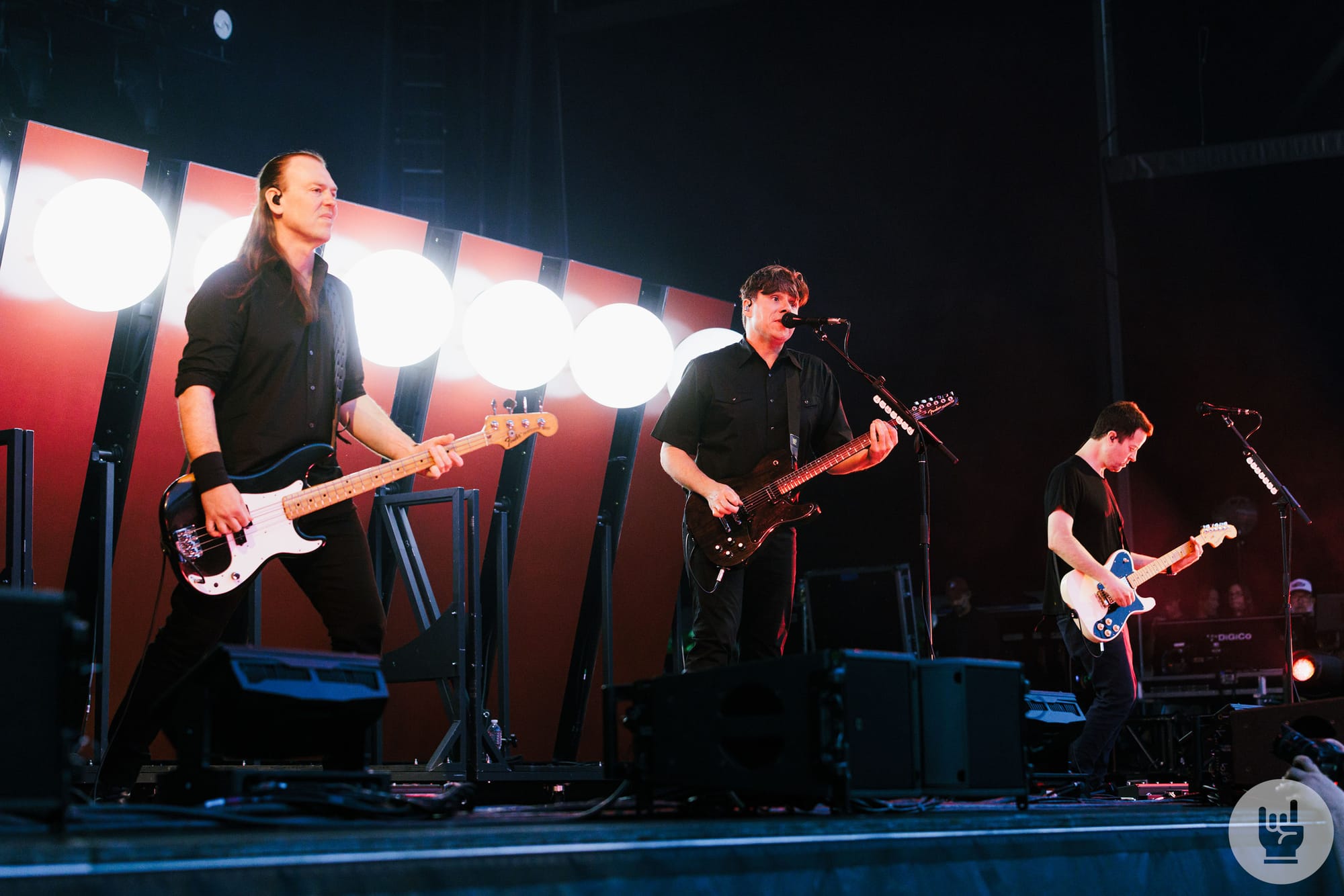
That gratitude wasn't one-sided. Throughout the nearly two-hour set, lead vocalist Jim Adkins repeatedly paused to thank the crowd for sticking with the band over the past quarter century. It's clear that Bleed American's lasting legacy is as meaningful to the artist as it is to the listener–a fact that comes as no surprise when you learn what it took just for the record to be made.
By the time the members of Jimmy Eat World arrived in Los Angeles in October 2000 to record their third LP, the band had been through the wringer. Seven years and two albums into their career, they'd been recently dropped by Capitol Records. Without the backing of a major record label, all four members of the band went from touring the globe in support of their second release, 1999's Clarity, to juggling multiple jobs to pour whatever money they could into bringing their next project to life. The dedication, long hours, sweat, tears, and... blood that the Mesa, Arizona, natives–Adkins (vocals, guitar), Rick Burch (bass), Zach Lind (drums), and Tom Linton (rhythm guitar) put into their new record paid off. Jimmy Eat World found a new home with DreamWorks Records, on which they released Bleed American on July 24, 2001.
Less than two months later, the terror attacks of September 11, 2001, threw the world into chaos and disarray (to avoid any misinterpretation of the album title, the band decided to change it to Jimmy Eat World on all future pressings until a deluxe edition was released in 2008). And while September 11th has been cited as the reason for some music careers ending, it may have propelled Jimmy Eat World into the stratosphere quicker–the heartfelt tracks on Bleed American hitting harder after 9/11 than they did when the record was first released.
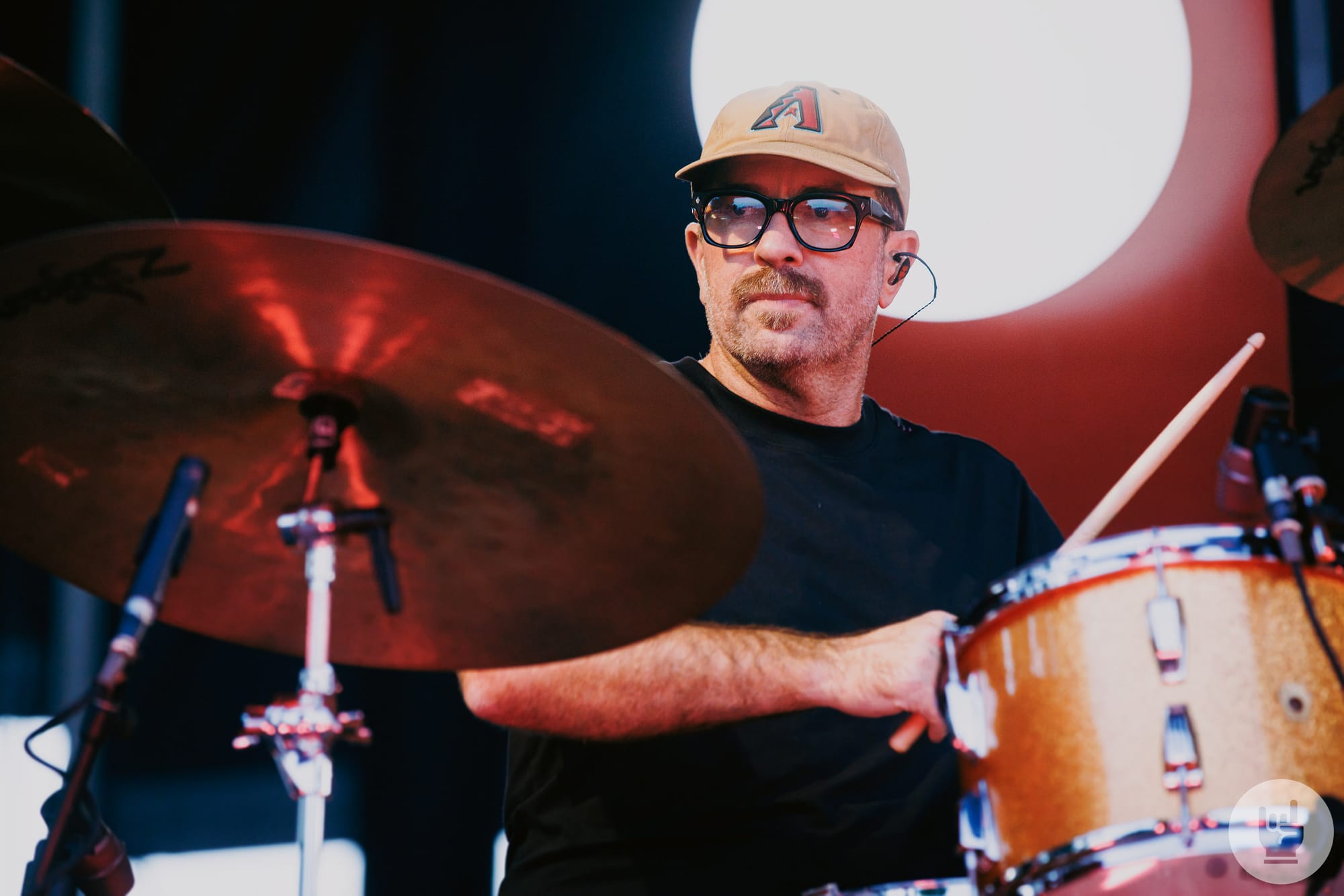
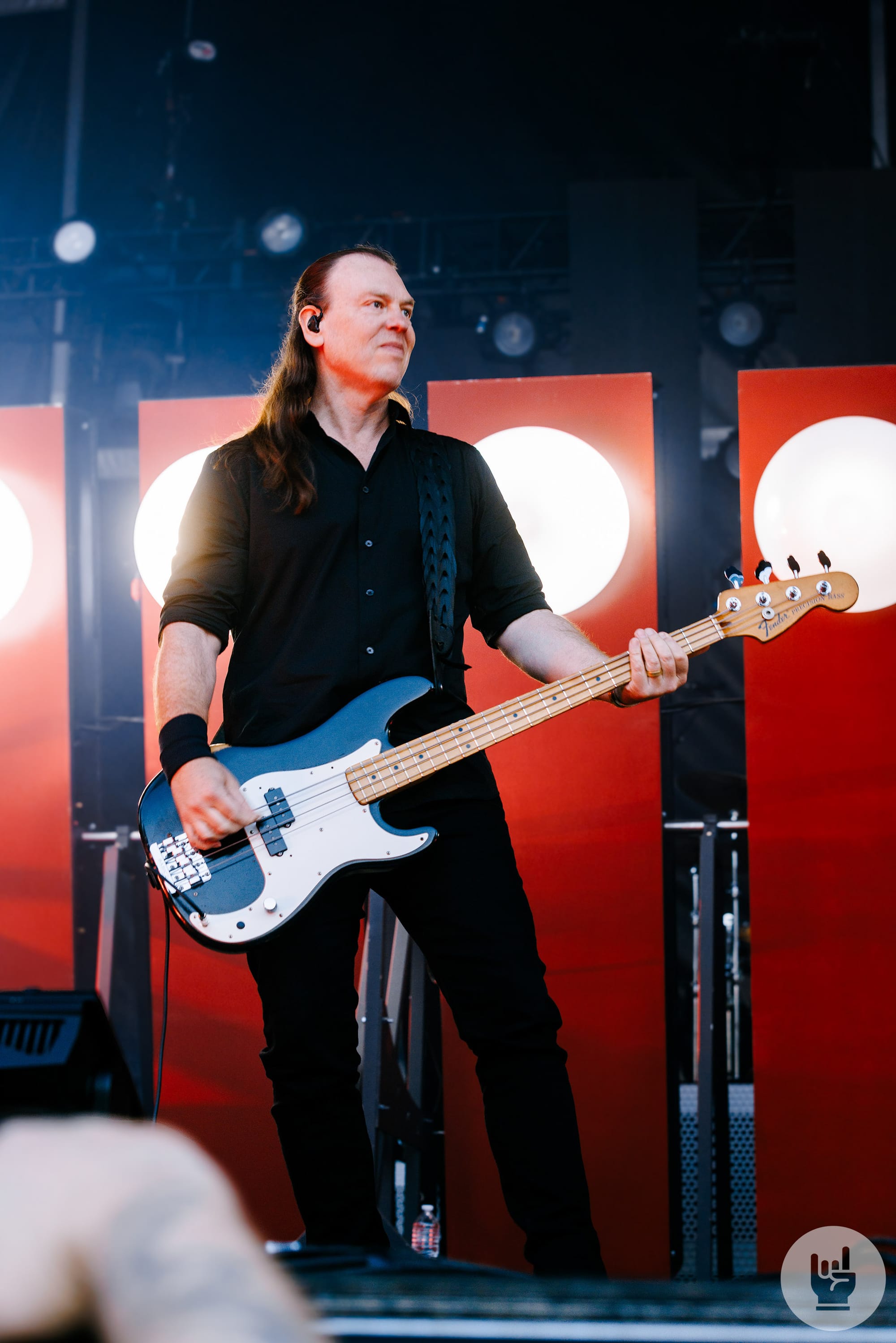
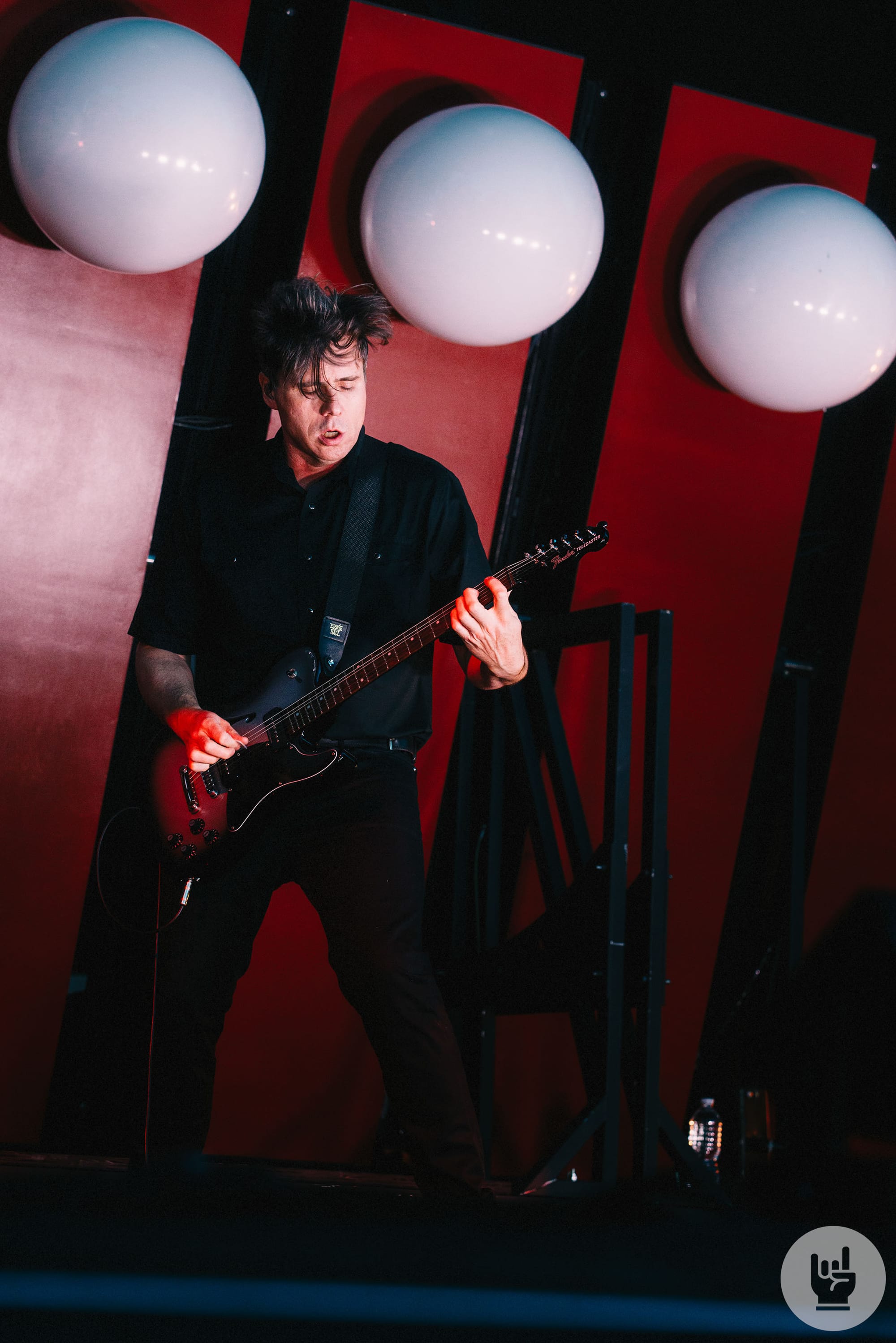
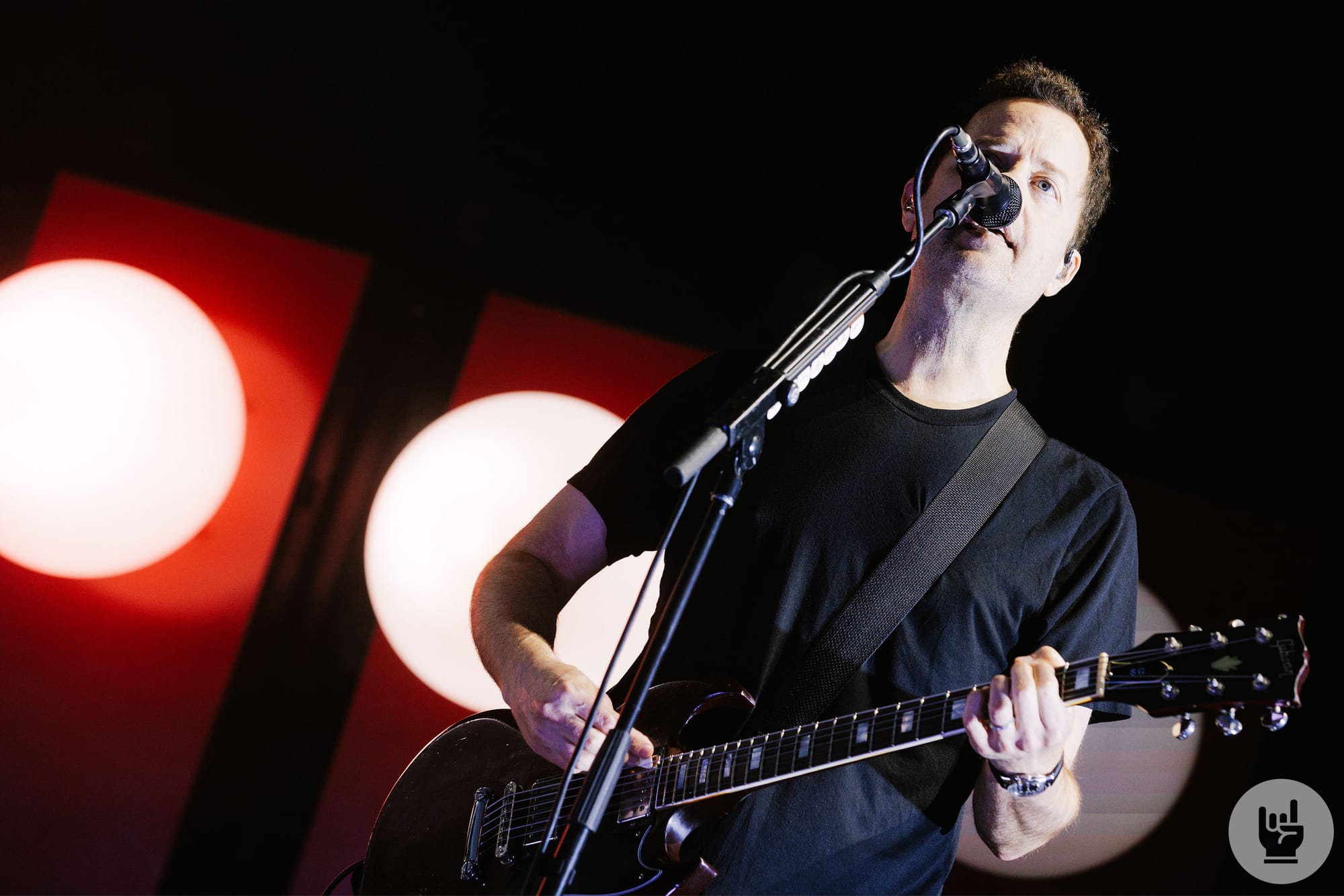
Clockwise from top left: Zach Lind (drums); Rick Burch (bass); Adkins, & Tom Linton (rhythm guitar). Photos by Conor Clancy.
But it was Bleed American's second single, "The Middle," that changed the trajectory of Jimmy Eat World's career. The song, with lyrics that reassured the listener that the valleys in life were just temporary, became an anthem for the underdog. The timing was kismet. "The Middle" helped people begin to move forward after weeks of watching a horrible tragedy be replayed on every television channel. Just one year after Jimmy Eat World entered the recording studio to begin working on the LP–holding their breath in hopes that the check used to pay for the studio session wouldn't bounce–the band was not only dominating the Modern Rock Charts, but they had a Top 10 hit on the Billboard Hot 100. It was the first time an emo band successfully crossed over into Top 40 radio, but it wouldn't be the last.
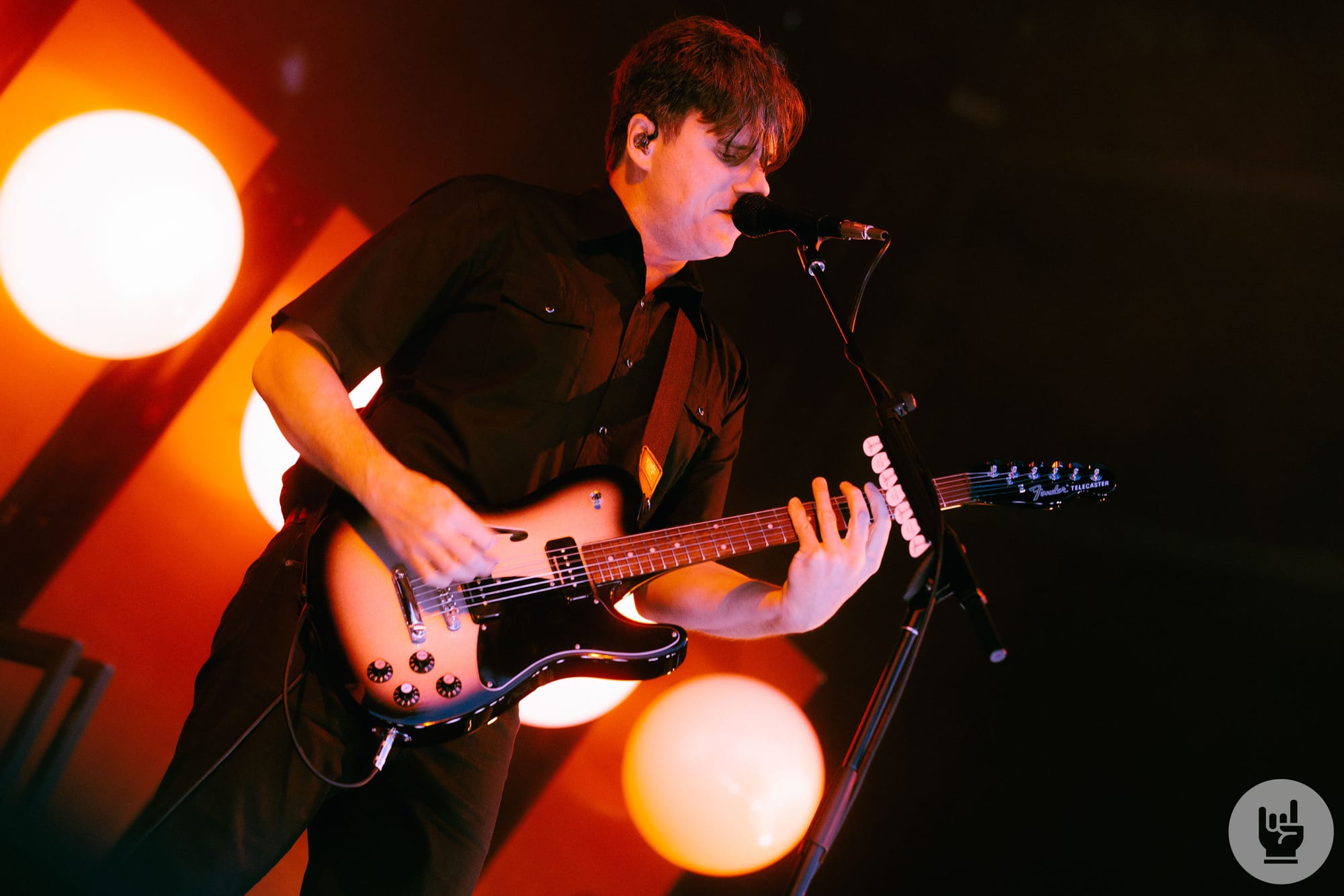
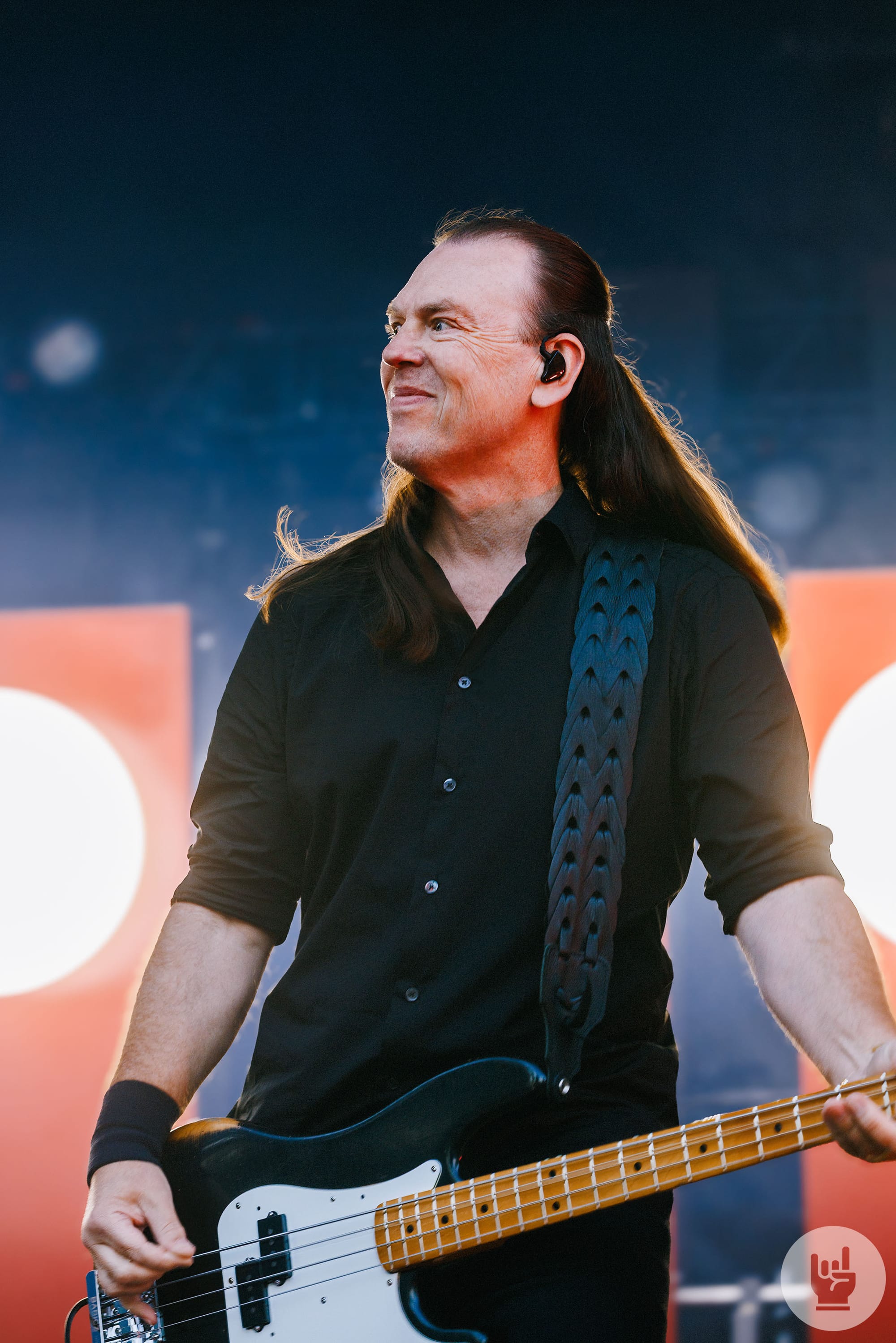
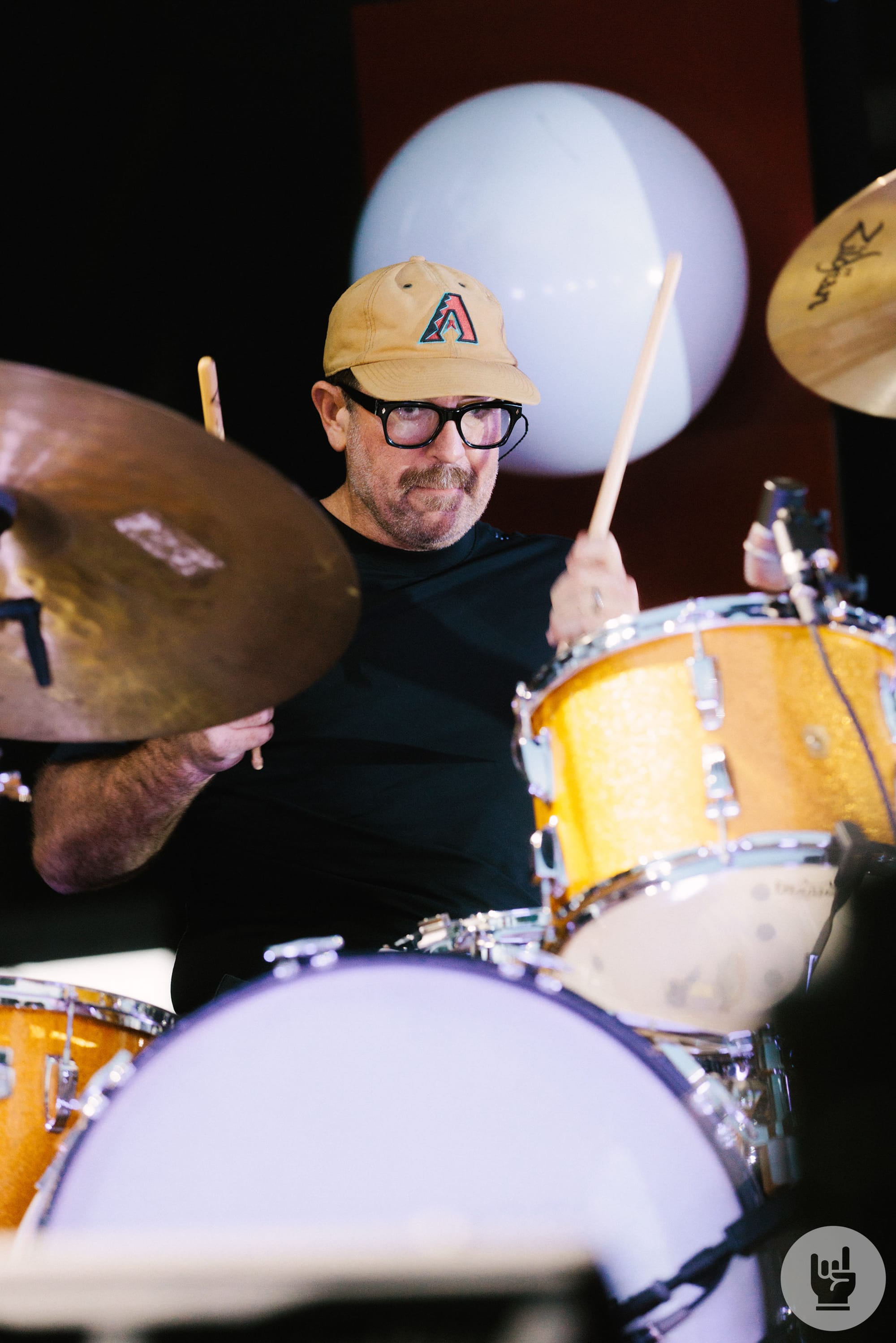
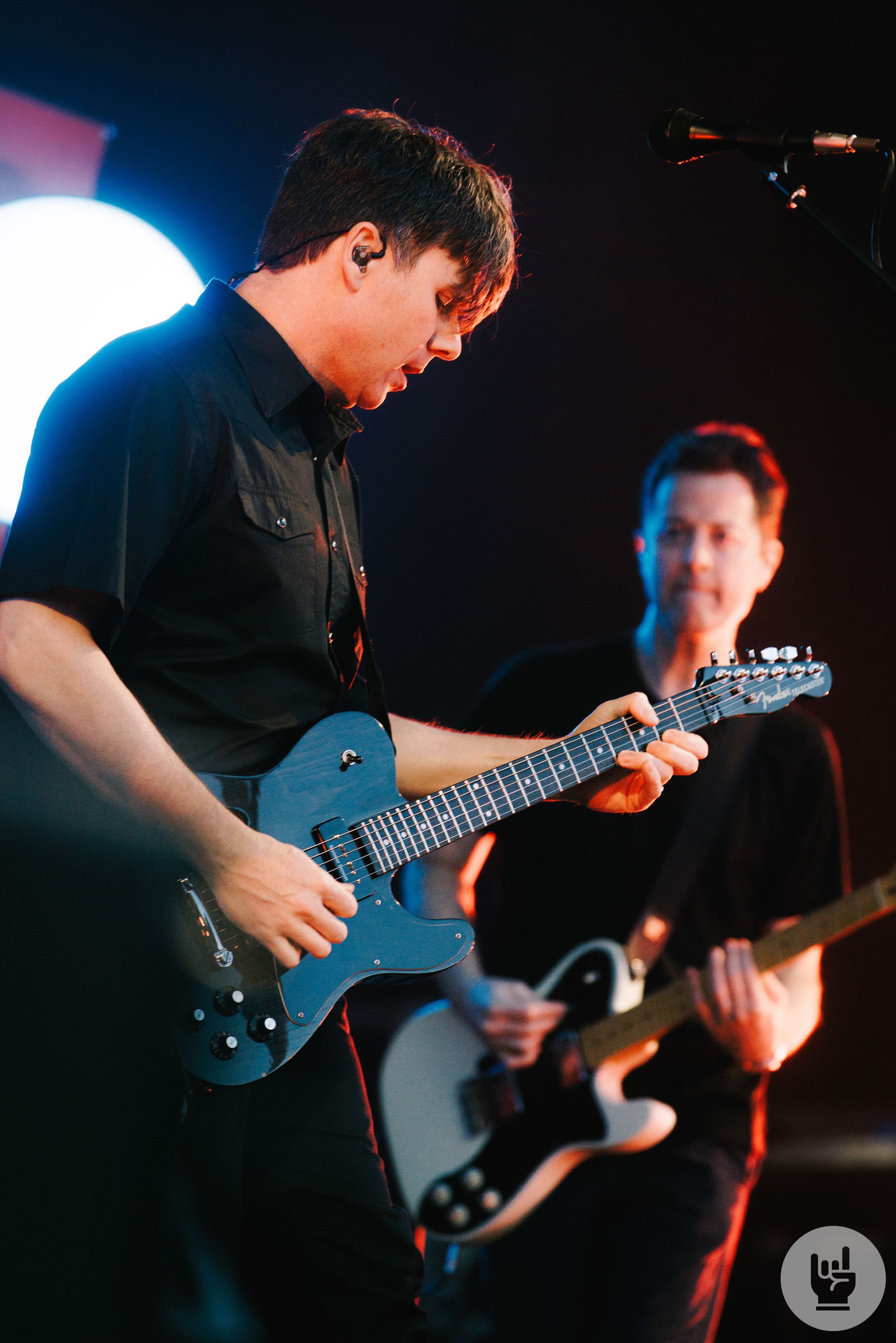
Sounding as if no time had passed since the early 2000s, Jimmy Eat World played Bleed American in its entirety on Friday night. And as I listened to each track–some for the first time in years–I was struck by how hard the lyrics hit today. This album, is not just a time capsule to an earlier era–a vehicle of nostalgia for people in their 30s and 40s. At a time when our country is more divided than ever, Bleed American has taken on a whole new meaning.
As I scanned the crowd at Skyline Stage, I noted a fair amount of younger people in attendance actively engaged with the music. Young adults, some born years after Jimmy Eat World first blew up with "The Middle," were screaming the lyrics to "Sweetness" and keeping vigil as the band played "Hear You Me." Thinking about it again gives me the chills. This is the power of music.
In another 25 years, new groups of people in their 30s and 40s will gather excitedly on a gorgeous early summer evening. They will break down their tailgating setups; they will reflect on an album that gave them a glimmer of hope at one of the darkest times in our country's history. They will take to social media to thank Jimmy Eat World for putting Bleed American into the world 50 years earlier. And they will reminisce about that mid-June evening on which they watched the band play the record in its entirety.
Th-th-th-th-things are never going to be quite what you want
Even at 25, you got to start sometime


Comments